Amazon Goes Beyond Android: What Vega OS Means for Fire TV, Apps & Sideloading
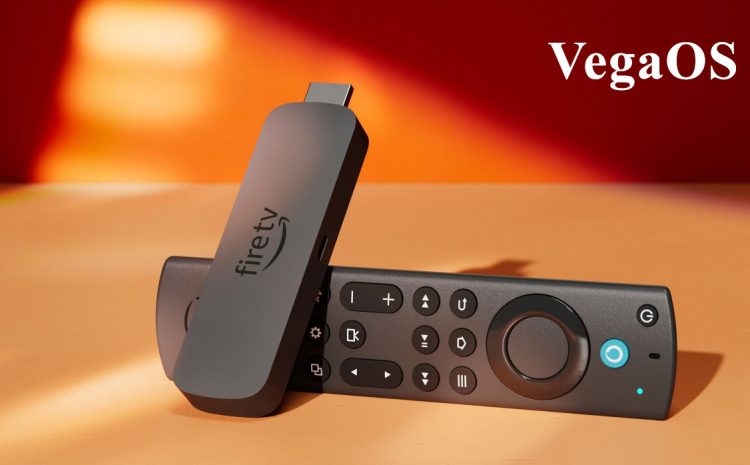
Amazon has just made a bold move: the Fire TV platform is evolving beyond its Android/Fire OS roots. With the introduction of Vega OS, a Linux-based operating system, Amazon is signaling a major shift in how it controls, develops, and monetizes its TV ecosystem.
But what exactly is changing — and what should developers, power users, and streaming enthusiasts watch out for? Let’s dive in.
Key Changes & Highlights
1. Vega OS debuts — Android is (partially) out
Vega OS is now the foundation for the Fire TV Stick 4K Select, replacing the Android-based Fire OS on that device. Amazon describes Vega as “remarkably fast,” “responsive,” and “highly efficient.”
Other new Fire TV devices announced alongside the 4K Select still run on the Android-based Fire OS for now.
2. Sideloading is removed
One of the most contentious changes: Vega OS will no longer support sideloading of non-store apps. Instead, only apps from the Amazon Appstore are available for installation. For Amazon, this is framed as a security measure.
That means many apps or tools users installed via APK sideloads (e.g. alternative media players, custom IPTV clients, etc.) may no longer run—unless developers explicitly rebuild them for Vega.
3. Developer toolkit & migration path
Amazon has already released Vega Developer Tools, built to help developers port or rebuild apps for Vega. They support:
-
React Native for Vega — letting many devs reuse existing business logic and UI components.
-
Vega WebView / web-based apps, enabling web apps to run within the Vega environment.
-
Native (C++) support as needed, via React Native Turbo Modules.
Amazon also states that Fire OS apps won’t disappear at once: existing devices and app ecosystems will still be supported over time.
4. Hardware constraints & optimization
Interestingly, the Fire TV Stick 4K Select ships with only 1 GB of RAM — half of what prior 4K Fire TV devices typically included. That makes the lightweight nature of Vega an important advantage.
Amazon’s claims of snappier app launches and responsiveness even on constrained hardware underline the performance goals driving this paradigm shift.
Implications & Risks
This transition has both opportunity and challenge built in. Here’s what different stakeholders should watch:
| Stakeholder | Opportunity | Risk / Challenge |
|---|---|---|
| Developers / App owners | Early adoption may translate into more visibility in a new ecosystem; reuse of code (React Native / web) helps reduce reinventing the wheel. | Maintaining two versions (Fire OS + Vega) increases overhead. Some devs may opt out. |
| Power users / tinkerers | If developers yield to demand, custom apps might return in Vega form. | Loss of sideloading fundamentally alters how much control users have. |
| Amazon / Platform owners | Greater control over the software stack, reduced reliance on Android, security, performance optimizations, deeper integration with Amazon services. | Risk of alienating developers or users; smaller app catalog initially; fragmentation. |
| Consumers | Potentially smoother, faster experience with a more curated environment. | Some favorite apps may not yet be available or supported. |
What’s Next — What to Watch
-
Rollout to other devices
Will Vega gradually replace Fire OS across Amazon’s full Fire TV line? So far, new TVs still ship with Fire OS, suggesting a phased approach. -
Developer adoption & app ecosystem
The success of Vega hinges on how many existing streaming services and third-party apps commit to porting to it. -
Workarounds & hacks
Whether power users will find ways to regain flexibility (e.g. via developer modes) remains to be seen. -
Consumer reception
How the broader public reacts — especially users who valued freedom of sideloading — will shape Vega’s long-term viability.
Final Thoughts
Amazon’s unveiling of Vega OS is more than just another update — it’s a turning point in the evolution of Fire TV. By moving beyond Android and tightening control of its ecosystem, Amazon is reshaping how apps are built, distributed, and experienced.
At Redcellapps, we’ve been following this shift closely. With years of hands-on experience in OTT, Connected TV, and Smart TV app development, we understand what such transitions mean for both developers and content providers.
Vega OS is not just a technical change — it’s a strategic shift that impacts monetization models, distribution strategies, and the long-term flexibility of platforms.
For developers and media companies, the question now is not if you should adapt, but how quickly. For end users, it’s a reminder of how much their streaming experience depends on curated ecosystems.
Being on top of these developments, our team is already exploring the implications and preparing pathways for partners to thrive in this new landscape.
If you’re in media, OTT, app development, or digital strategy — Vega OS is a shift worth watching, and with the right expertise, it can also be an opportunity.